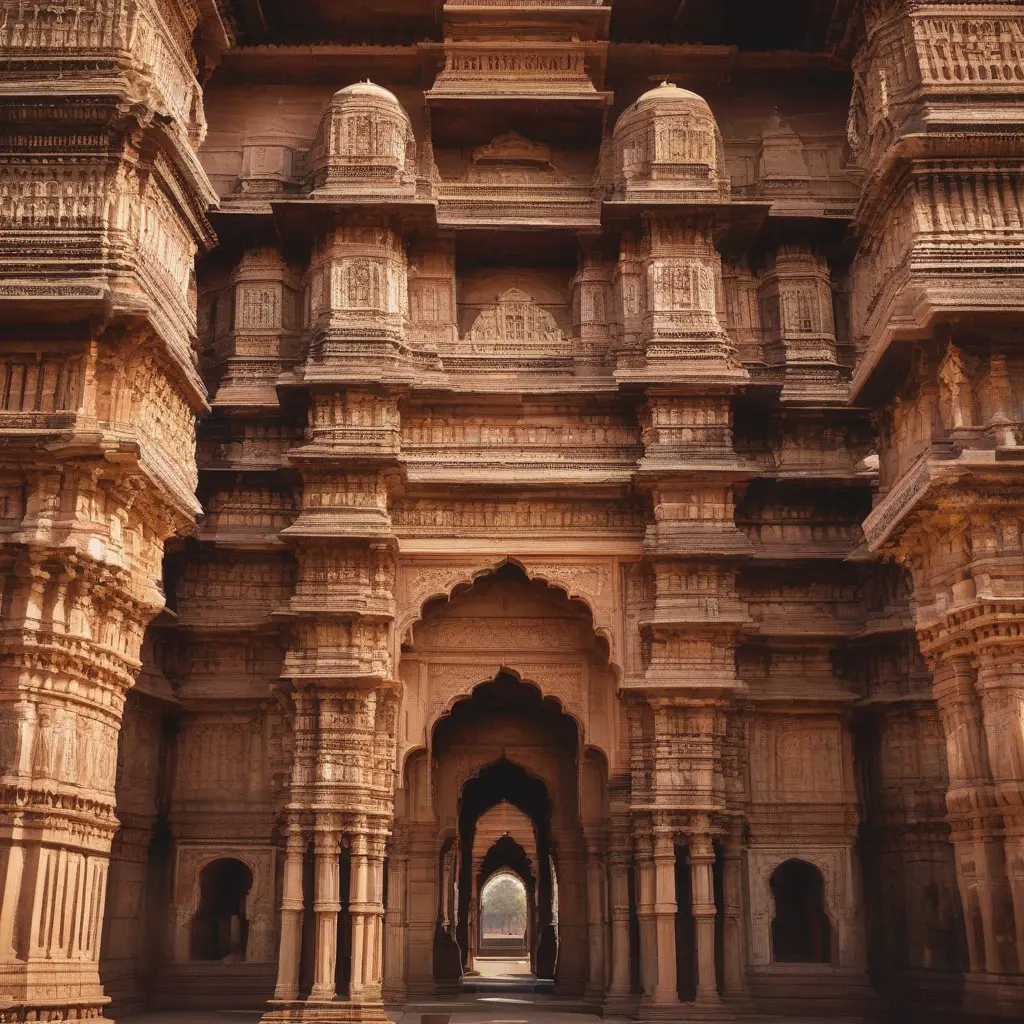
India is a land rich in history and culture, showcasing a diverse range of architectural styles and traditions. From ancient temples to regal forts, the country’s historical sites provide a fascinating glimpse into its majestic past. Travelers seeking to explore India’s heritage will find an array of ancient places that embody the essence of its rich history. This article explores some of the top ancient historical sites to visit, highlighting their significance and unique characteristics.
The Taj Mahal: A Symbol of Love
The Taj Mahal, located in Agra, is one of the most iconic monuments in India and a UNESCO World Heritage Site. Built in the 17th century by Mughal Emperor Shah Jahan in memory of his beloved wife, Mumtaz Mahal, the structure is a stunning example of Mughal architecture. With its intricate marble inlay work and symmetrical gardens, the Taj Mahal attracts millions of visitors each year. Its status as a symbol of eternal love makes it a must-visit for any traveler exploring India’s historical landscape.
The Jaipur City: The Pink City
Jaipur, also known as the Pink City, is famous for its vibrant culture and stunning palaces. The City Palace, Hawa Mahal, and the Amber Fort are among the most visited sites in this historical city. The architecture showcases a blend of Rajput and Mughal styles, giving visitors a visual treat. Jaipur is not just about palaces; it also offers a glimpse into royal history through its museums and art galleries, making it an essential stop for those interested in Indian heritage.
Hampi: The Ruins of an Ancient Empire
Hampi, a UNESCO World Heritage Site, was once the capital of the Vijayanagara Empire in Southern India. The ruins of Hampi are spread over a vast area, showcasing awe-inspiring temples and royal complexes. Visitors can explore the ancient Virupaksha Temple, which dates back to the 7th century, and the unique Stone Chariot that symbolizes the city’s rich architectural heritage. With its captivating landscapes and rich history, Hampi offers a unique journey into India’s storied past.
Varanasi: The Spiritual Capital of India
Varanasi, one of the oldest inhabited cities in the world, serves as a significant spiritual center in India. Located on the banks of the Ganges River, it is famous for its ghats where pilgrims perform rituals and offer prayers. The Kashi Vishwanath Temple, dedicated to Lord Shiva, and the various other temples reflect the city’s deep religious roots. The vibrant culture, ancient traditions, and stunning rituals at sunrise provide visitors with an unforgettable experience, making Varanasi an essential stop for those seeking to understand India’s spiritual heritage.
Khajuraho: Temples of Love
The Khajuraho temples, noted for their stunning sculptures and intricate carvings, are a unique representation of Indian art and culture. Designated as a UNESCO World Heritage Site, these temples were built between 950 and 1050 AD by the Chandela dynasty. The erotic sculptures that adorn the walls are symbolic of the celebration of love and life. Visitors can explore various temples such as Kandariya Mahadeva and Lakshmana, each showcasing exquisite artistry and architectural finesse that offer insights into ancient Indian civilization.
Ajanta and Ellora Caves: Marvels of Ancient Art
The Ajanta and Ellora Caves, another UNESCO World Heritage Site, are renowned for their stunning rock-cut architecture and exquisite frescoes. Located in Maharashtra, the Ajanta Caves date back to the 2nd century BCE, while the Ellora Caves were created between the 5th and 10th centuries. The narrative frescoes in Ajanta depict stories from the life of Buddha, while Ellora showcases a blend of Hindu, Buddhist, and Jain temples. These caves reflect the artistic prowess and religious tolerance of ancient India, making them a must-visit cultural landmark.
Konark Sun Temple: A UNESCO World Heritage Site
The Konark Sun Temple, located in Odisha, is an architectural marvel dedicated to the Sun God, Surya. Constructed in the 13th century, this temple is designed in the shape of a gigantic chariot. The intricately carved granite wheels and stunning sculptures captivate visitors. It not only serves as an important religious site but also exemplifies the outstanding craftsmanship of ancient Indian artisans. This UNESCO World Heritage Site attracts history lovers and architecture enthusiasts alike, representing the artistic glory of India’s past.
Mysore Palace: A Royal Splendor
The Mysore Palace, located in Karnataka, is a stunning example of Indo-Saracenic architecture and a symbol of the royal heritage of Mysore. This grand palace, especially beautiful at night when illuminated, offers a glimpse into the lifestyle of the Wodeyar dynasty. The palace features intricate carvings, exquisite chandeliers, and beautiful gardens. Daily light and sound shows narrate the history of Mysore, making it an engaging stop for visitors. The palace is not only a significant historical site but also an iconic representation of India’s royal history.
Rajasthan’s Forts and Palaces: A Royal Odyssey
Rajasthan is home to numerous forts and palaces that speak volumes of India’s royal lineage. Sites such as Mehrangarh Fort in Jodhpur and Chittorgarh Fort showcase the grandeur of Rajputana architecture. These forts are not only visually impressive but also steeped in historical significance. Visitors can explore their expansive courtyards, museums, and intricate artwork, each narrating tales of valor and bravery. The rich history and vibrant heritage of Rajasthan attract history enthusiasts, making it a vital destination for exploring India’s ancient past.
Conclusion
India’s ancient historical places serve as a window into its majestic heritage and cultural richness. Each site provides unique stories and architectural marvels that highlight the country’s profound history. Whether you’re drawn to temples, forts, or ancient ruins, exploring these remarkable locations enhances your understanding of India’s diverse cultural tapestry. Embracing this historical journey will undoubtedly make your trip unforgettable, offering invaluable insights into the legacy of one of the world’s oldest civilizations.