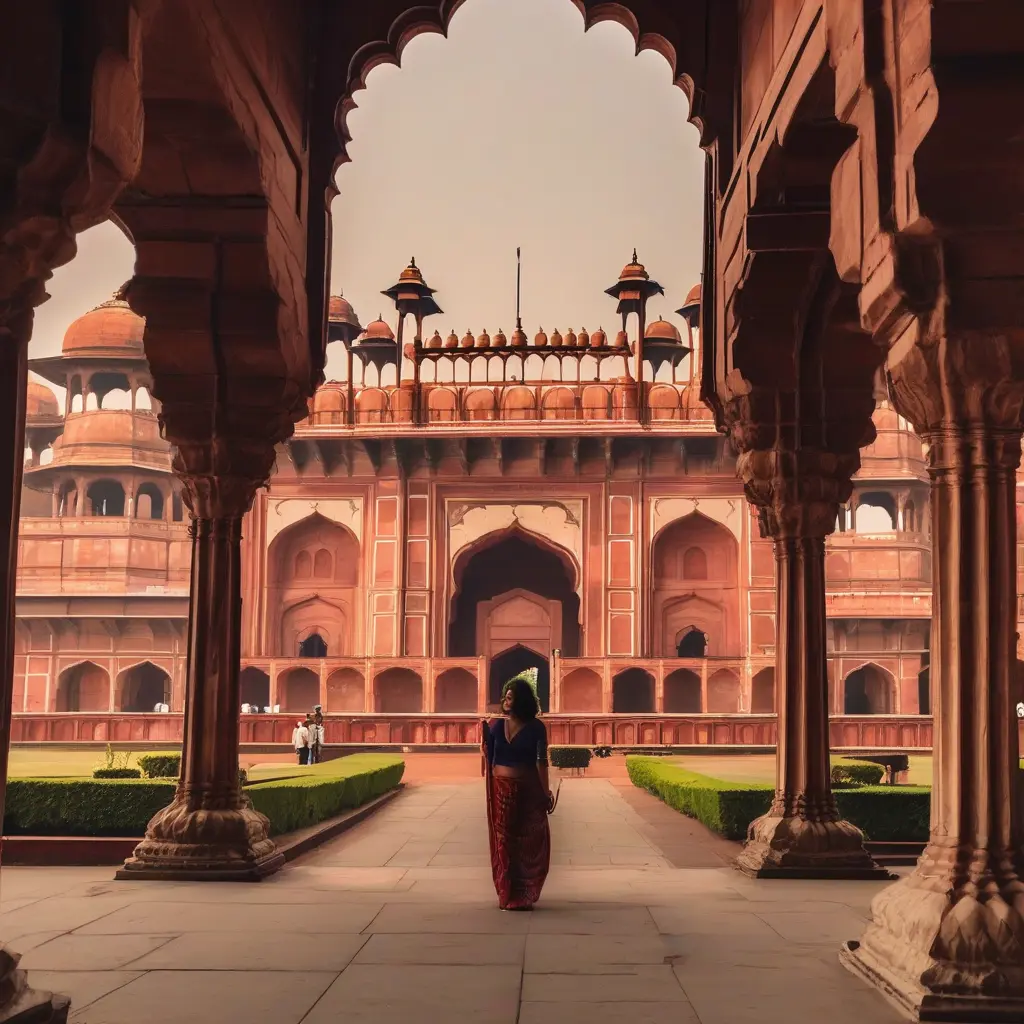
Visiting the Red Fort is more than just a tourist attraction; it’s a journey through India’s rich history and architectural grandeur. Located in the heart of Delhi, this UNESCO World Heritage Site offers a glimpse into the Mughal era, showcasing stunning red sandstone structures and intricate designs. As you explore its expansive grounds and historical significance, you will discover stories of emperors, battles, and the vibrant culture that influenced India. This guide outlines everything you need to know about visiting the Red Fort, ensuring you make the most of your experience.
Historical Significance of the Red Fort
The Red Fort, or Lal Qila, was commissioned by Mughal Emperor Shah Jahan in 1638 as the palace of his new capital, Shahjahanabad. Its construction marked the zenith of Mughal architecture, blending Persian, Timurid, and Indian styles. The fort served not only as a royal residence but also as the ceremonial and political center of Mughal emperors. Over the centuries, it witnessed numerous historical events, including the First War of Independence in 1857 and the raising of the Indian flag in 1947, making it a symbol of India’s freedom struggle.
Architectural Marvels within the Fort
The architecture of the Red Fort reflects the prowess of Mughal artisans, showcasing intricately carved sandstone structures, expansive courtyards, and lush gardens. The imposing main entrance, the Lahore Gate, invites visitors into a world of splendor, while the elegant Diwan-i-Aam and Diwan-i-Khas exemplify the grandeur of Mughal design. The fort’s detailed inlay work, with precious stones and intricate frescoes, highlights the artistic mastery of the time, making it a prime example of South Asian architecture.
Exploring the Fort’s Gardens and Water Features
The Red Fort is not only about grand structures; its gardens and water features play a significant role in its beauty and functionality. The gardens, known as Shahjahanabad’s Chaharbagh, are designed in a quadrilateral layout, symbolizing paradise, and provide a serene environment for visitors. The fountains and water channels within these gardens were integral in cooling the fort during the hot summers, reflecting the sophisticated engineering skills of the Mughals and their affinity for beautiful landscapes.
Visiting the Fort: Best Time and Tips
To fully appreciate the Red Fort, the ideal time to visit is during the cooler months, from October to March. Visiting early in the morning not only offers a peaceful atmosphere but also the chance to witness the morning light illuminating the stunning red sandstone. It’s advisable to purchase tickets in advance to avoid long queues and consider hiring a local guide for deeper insights into the fort’s history. Don’t forget to explore the nearby attractions such as Jama Masjid and Chandni Chowk to enrich your experience.
Cultural Events and Activities at the Fort
The Red Fort hosts several cultural events throughout the year, making your visit even more enriching. Activities such as music and dance performances, light and sound shows, and exhibitions bring the history and culture of India alive. Notably, the evening sound and light show narrates the fort’s history in a captivating manner. Participating in these events can offer visitors a unique perspective on India’s heritage, enhancing the overall experience of exploring this majestic site.
Photography Tips for Capturing the Red Fort
Photographers will find the Red Fort a treasure trove of stunning visuals. The best times for photography are early morning or late afternoon when the light is soft and golden. Focus on capturing the intricate details of the fort’s architecture as well as wide shots that showcase its grand scale. Don’t forget to frame your shots with the lush gardens, as they add a unique dimension to the images. Utilize a zoom lens to capture the fine craftsmanship on the fort’s walls and to create striking perspectives of this historic site.
Souvenir Shopping Near the Red Fort
After exploring the Red Fort, visitors can indulge in some local shopping to bring home a piece of Delhi’s cultural heritage. Chandni Chowk, located nearby, is famed for its bustling markets offering everything from traditional textiles to handcrafted jewelry. Be sure to look for authentic Mughal-inspired items, such as miniature paintings and pottery. Bargaining is a common practice in this vibrant marketplace, so engage with the shopkeepers to find unique souvenirs while experiencing the lively atmosphere of the area.
Getting to the Red Fort: Transportation Options
Reaching the Red Fort is quite convenient due to its strategic location in Delhi. The nearest metro station is Chandni Chowk, which is just a short walk away from the fort. For those coming by car, parking facilities are available nearby, though they may fill up quickly during peak tourist seasons. Autos and cycle rickshaws are also readily available and make for a fun way to navigate through the bustling streets. Consider using ride-sharing apps for a hassle-free experience as well.
Conclusion
A visit to the Red Fort is an opportunity to delve into India’s magnificent past and its artistic achievements. By exploring its breathtaking architecture, rich history, and vibrant culture, visitors can gain a deeper appreciation for one of India’s most iconic landmarks. Whether you’re an architecture enthusiast, a history buff, or simply seeking to explore the cultural richness of Delhi, the Red Fort promises an unforgettable experience that resonates with India’s legacy.