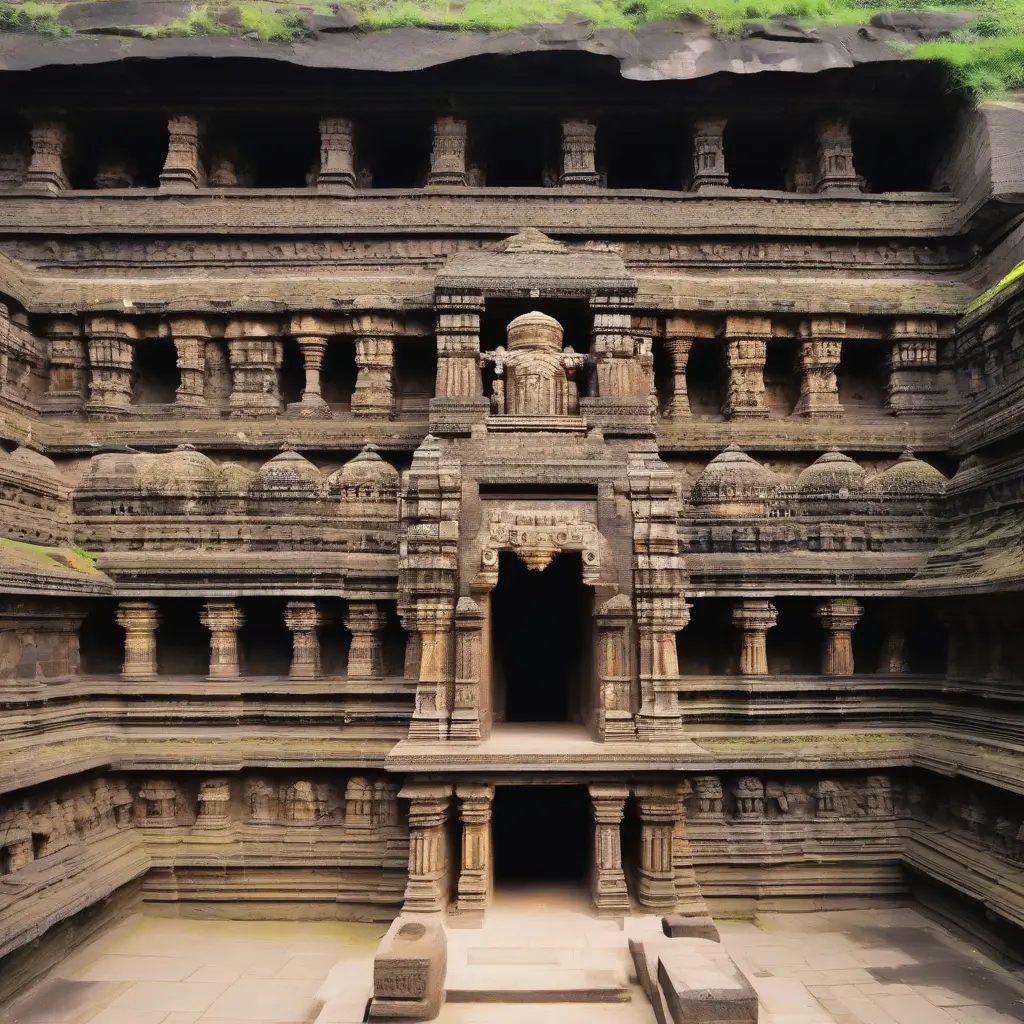
The Ajanta and Ellora Caves in India are remarkable examples of ancient rock-cut architecture, mesmerizing visitors with their intricate carvings and historical significance. A UNESCO World Heritage Site, these caves reflect the rich cultural and religious tapestry of India, with their origins dating back to the 2nd century BCE. Nestled in the scenic landscapes of Maharashtra, these caves offer a glimpse into the artistic mastery and spiritual devotion of the time. From stunning murals and sculptures to breathtaking landscapes, the allure of Ajanta and Ellora captivates travelers and historians alike, making them a must-visit destination.
Historical Background of Ajanta and Ellora Caves
The Ajanta Caves were carved between the 2nd century BCE and the 6th century CE, primarily representing Buddhist monastic life. They consist of around 30 rock-cut Buddhist caves adorned with intricate frescoes depicting the Jataka tales. In contrast, the Ellora Caves, established between the 5th and 10th centuries CE, showcase a harmonious amalgamation of Hindu, Buddhist, and Jain traditions. The Kailasa Temple at Ellora, one of the largest monolithic rock-cut structures globally, exemplifies incredible engineering skill. Together, these caves encapsulate centuries of artistic and architectural evolution amidst changing religious paradigms.
Architectural Marvels of Rock-Cut Sculptures
One of the most striking features of the Ajanta and Ellora Caves is the extraordinary rock-cut sculptures that adorn their interiors and exteriors. The artistry involved in chiseling these intricate designs showcases the profound skills of ancient artisans. Each cave is a masterpiece, with detailed carvings reflecting various themes, including mythology, daily life, and spiritual teachings. At Ajanta, the vivid frescoes illustrate stories from the life of Buddha and elaborate murals that bring the cave walls to life. The Ellora Caves display an even broader range of styles, dominated by the monumental structures and intricate sculptures of deities and divine narratives.
Cultural Significance of Ajanta and Ellora
Beyond their architectural brilliance, the Ajanta and Ellora Caves embody significant cultural layers that celebrate India’s ancient civilizations. The caves serve as vital documentation of the religious practices and artistic styles prevalent during their creation. They are an essential source of historical information, giving insights into the beliefs, trade routes, and lifestyle of ancient societies. The decoration styles reflect influences from both local and foreign cultures, demonstrating the extent of interaction and exchange that occurred centuries ago. Each cave resonates with the spiritual essence and rich narratives that have influenced generations.
Visiting the Ajanta Caves
Visiting the Ajanta Caves offers a unique opportunity to step back in time and experience the tranquility and beauty of this historical site. Located about 100 kilometers from Aurangabad, these caves are surrounded by idyllic scenery, enhancing the spiritual atmosphere. Typically, visitors can explore around 12 of the most prominent caves, which are accessible year-round. Guided tours are available, providing in-depth insights into each cave’s significance, artistry, and history. The best time to visit is during the cooler months from October to March, allowing for a more enjoyable exploration experience.
Exploring the Ellora Caves
The Ellora Caves, a short distance from the Ajanta, present an impressive array of over 30 caves carved from volcanic rock. These caves represent three major religions: Buddhism, Hinduism, and Jainism, reflecting the pluralism of ancient Indian society. Key attractions include the Kailasa Temple, an engineering marvel dedicated to Lord Shiva, and the stunning sculptures that tell stories from various religious texts. A visitor can easily spend a full day exploring the rich diversity and artistry of the Ellora Caves, enjoying the significant historical perspectives each cave presents.
Preservation Efforts and Challenges
As UNESCO World Heritage Sites, both Ajanta and Ellora Caves face the dual challenge of preserving their artistic integrity and managing the flow of tourists. Preservation efforts include maintaining the structural integrity of the caves and protecting the artwork from environmental factors like humidity and pollution. Regular monitoring and restoration projects aim to mitigate wear and tear while educating visitors on the importance of safeguarding these historical treasures. Collaborative efforts involving the government, conservationists, and local communities are essential to ensure these ancient wonders endure for future generations to admire.
Getting to Ajanta and Ellora
Reaching Ajanta and Ellora Caves is relatively straightforward, with well-connected transportation options available. The nearest major city is Aurangabad, which is accessible by air, rail, and road. From Aurangabad, visitors can hire a taxi or take a bus to both sites. The journey to Ajanta takes about 2.5 hours, while Ellora is around 30 minutes away. It is advisable to plan the trip carefully, considering the timing of visits to both sites, as their hours may differ and could be impacted by seasonal variations. Having a full day dedicated to each cave complex is recommended to truly appreciate the artistry and history.
Local Cuisine and Experiences
Exploring the Ajanta and Ellora regions offers an opportunity to indulge in local Maharashtrian cuisine, enhancing the travel experience. Nearby food outlets serve traditional dishes like puran poli, vada pav, and misal pav, providing a taste of the rich flavors of the region. Visitors can also engage with the local culture through vibrant markets and craft shops displaying intricate handicrafts inspired by the caves. Participating in cultural experiences, such as folk performances or festivals, adds another layer to the exploration, making it a holistic journey through history, art, and local tradition.
Travel Tips for Visiting Ajanta and Ellora
When visiting the Ajanta and Ellora Caves, a few travel tips can enhance the experience. Firstly, wear comfortable footwear, as exploring the caves involves a fair amount of walking and some steep climbs. Providing proper hydration and sun protection is crucial, especially during warmer months. It is also advisable to visit early in the day to avoid crowds and enjoy a more serene experience. Lastly, using a guide can greatly enrich the experience, offering valuable insights into the artistic and historical context of what you see, ensuring a memorable visit.
Conclusion
The Ajanta and Ellora Caves stand as monumental testaments to India’s rich cultural and artistic heritage. Their intricate artistry and historical significance make them a must-visit for travelers and history enthusiasts alike. Through preservation efforts and responsible tourism, these timeless treasures can continue to inspire awe and wonder in future generations. Visiting these UNESCO World Heritage Sites not only provides insight into ancient civilizations but also evokes a deep appreciation for the artistry that shaped India’s historical narrative.