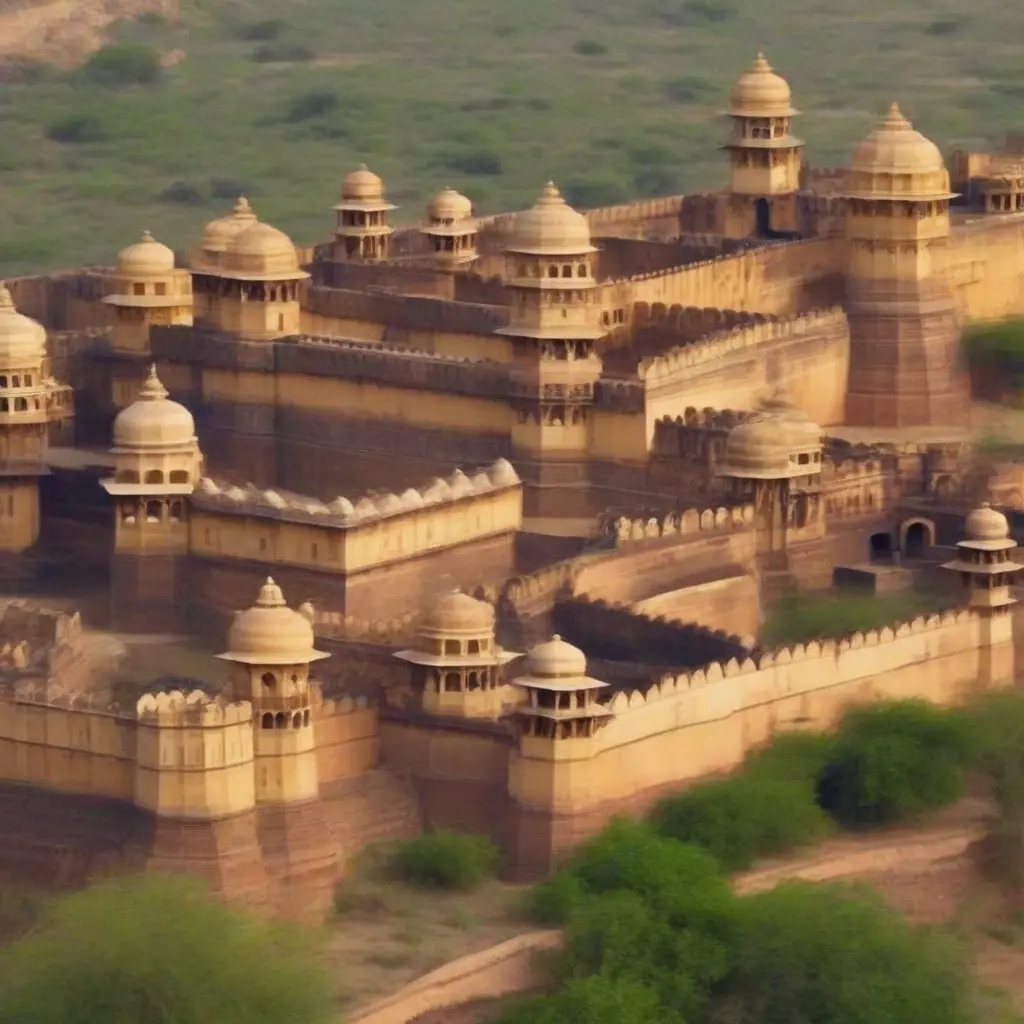
Rajasthan, the land of kings, boasts a rich heritage characterized by magnificent forts and opulent palaces. Each location encapsulates centuries of history, culture, and architectural brilliance. As you explore these ancient structures, you’ll uncover stories of valor, romance, and intrigue that have shaped the landscape of this royal state. Rajasthan’s forts and palaces offer more than just stunning visuals; they provide a glimpse into the lifestyle of its erstwhile rulers and the traditions that continue to flourish. This article will guide you through the must-visit forts and palaces, highlighting their historical significance and architectural splendor.
The Magnificent Amer Fort
Amer Fort, located near Jaipur, is one of the most iconic symbols of Rajasthan’s royal heritage. Built in the late 16th century, the fort showcases a stunning combination of Hindu and Mughal architecture. Its expansive complex includes exquisite palaces, beautiful gardens, and intricate frescoes. Visitors can ride elephants up the steep path to the fort, reliving a royal tradition. The fort’s strategic location on a hilltop provides breathtaking panoramic views of the surrounding landscape, making it a favorite spot for tourists and photographers alike.
The Majestic City Palace
The City Palace in Jaipur is a spectacular example of royal residence that exemplifies the grandeur of Rajasthani architecture. Constructed between the 18th and 20th centuries, this sprawling complex features courtyards, gardens, and buildings, each displaying a unique architectural style. Visitors can explore the museum within the palace, which houses artifacts, textiles, and paintings that reflect the opulence of the bygone era. The blending of Mughal and Rajput architectural styles gives the palace a distinctive charm, making it a must-visit for anyone interested in Rajasthan’s rich artistic heritage.
The Historic Mehrangarh Fort
Perched atop a hill overlooking Jodhpur, Mehrangarh Fort is one of the largest forts in India and a testament to Rajput military architecture. Built in the 15th century, it boasts impressive walls that encompass intricate palaces, temples, and museums. Visitors can enjoy the stunning views of the Blue City of Jodhpur from the fort’s ramparts. The fort also showcases a vast collection of artifacts, including armor, paintings, and musical instruments, that provide insight into the lifestyle of the Rajput rulers. Guided tours are available, offering a deeper understanding of its historical significance.
The Splendid Udaipur City Palace
The Udaipur City Palace, overlooking Lake Pichola, is a remarkable architectural marvel that captures the essence of Rajasthan’s royal legacy. Constructed over several centuries, this sprawling palace complex exhibits a blend of Rajasthani and Mughal architectural styles. Visitors can explore its various sections, each adorned with ornate peacock mosaics and intricate mirror work. The palace’s location offers mesmerizing views of the surrounding lakes and hills, making it a perfect spot for photography. The museum within the palace houses royal artifacts, giving a glimpse into the life of the Maharajas of Udaipur.
The Enigmatic Jaisalmer Fort
Nestled in the heart of the Thar Desert, Jaisalmer Fort stands as a golden sandstone marvel that exudes charm and history. Built in 1156, this fort is one of the few ‘living forts’ in the world, with a bustling community residing within its walls. The fort features narrow alleys lined with beautiful havelis, temples, and shops. Visitors can wander through its impressive gateways, where they’ll discover stunning views of the desert landscape and Jaisalmer city. Its unique architecture and vibrant culture make Jaisalmer Fort a UNESCO World Heritage Site and a popular destination for travelers.
The Charm of Ranthambore Fort
Ranthambore Fort, situated within Ranthambore National Park, is another significant historical site that reflects Rajasthan’s rich heritage. This fort, built in the 10th century, served as a strategic military outpost guarding the trade route between North and South India. Perched on a hill, the fort offers breathtaking views of the surrounding jungle and the wildlife within the national park. Visitors can explore its impressive ruins, including palaces, temples, and water reservoirs, providing insight into its historical and architectural significance. The combination of history and wildlife makes Ranthambore Fort a unique attraction.
Explore the Unique Architecture of Shekhawati
Shekhawati is renowned for its stunning havelis adorned with intricate frescoes and architectural details. The region is often referred to as the ‘open art gallery’ of Rajasthan, showcasing the artistic expressions of wealthy merchants during the 18th and 19th centuries. Towns like Mandawa, Nawalgarh, and Fatehpur are particularly famous for their colorful wall paintings depicting mythological scenes, social life, and historical events. A visit to Shekhawati allows travelers to immerse themselves in a different aspect of Rajasthani heritage, exploring not only the art but also the traditional architecture that defines this unique region.
The Serene Bundi Palace
Bundi Palace is a lesser-known gem of Rajasthan that captures visitors’ attention with its tranquil beauty and intricate architecture. Built in the 17th century, this palace is famous for its stunning murals and charming surroundings. The gardens, courtyards, and traditional architecture contribute to its serene atmosphere, making it a peaceful retreat. The intricate frescoes depicting hunting scenes and courtly life are remarkable highlights of the palace. Bundi offers a glimpse into Rajasthan’s royal past, providing a welcoming atmosphere for travelers looking to explore beyond the more popular destinations.
The Grandeur of Chittorgarh Fort
Chittorgarh Fort is often seen as the epitome of Rajasthan’s valor and bravery, embodying the storied history of Rajput clans. Spanning over 700 acres, it is one of the largest forts in India, featuring impressive architecture and historic monuments like palaces and temples. The fort is famous for the legendary tales of Rani Padmini and her sacrifice, reflecting the spirit of resilience. Exploring its massive walls, victory towers, and serene ponds gives visitors a sense of the tumultuous history that shaped this fort. Its significance and scale make Chittorgarh Fort a UNESCO World Heritage Site.
The Art and Culture of Rajasthan’s Palaces
Rajasthan’s forts and palaces are not just mere structures but repositories of art and culture. Royal courts were known for their patronage of artisans who created exquisite paintings, jewelry, and textiles. These cultural expressions reflect the rich traditions and lifestyle of Rajasthan’s rulers, encompassing a blend of influences from neighboring regions. Festivals and fairs held in and around these palaces offer visitors a chance to experience vibrant Rajasthani culture through music, dance, and handicrafts. Embracing this artistic heritage further enriches the experience of exploring Rajasthan’s historical sites.
Conclusion
The forts and palaces of Rajasthan are not only architectural masterpieces but also vital links to the state’s glorious past. They reflect the rich history, culture, and artistry that continue to inspire visitors from around the world. Exploring these ancient structures offers an opportunity to witness the incredible legacy of Rajasthan, making it an unforgettable destination for history enthusiasts and travelers alike.