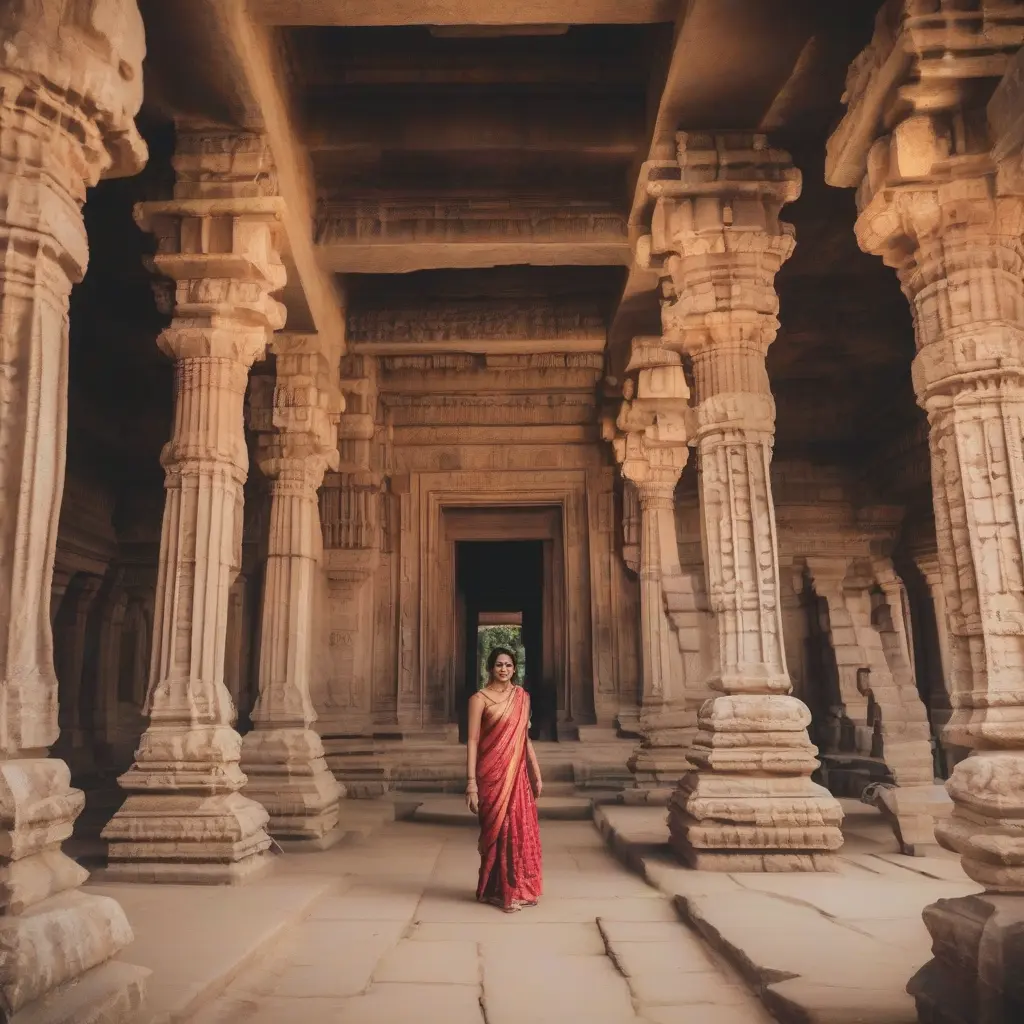
Hampi, a UNESCO World Heritage Site located in southern India, is a mesmerizing landscape of ancient ruins, temples, and boulders. This historical site was once the flourishing capital of the Vijayanagara Empire in the 14th century and continues to attract travelers seeking to explore its rich heritage. From intricate temple architecture to stunning natural vistas, Hampi offers a unique glimpse into India’s past. As you wander through its storied streets and sacred sites, you’ll discover a narrative woven from spirituality, artistry, and the echoes of an empire that thrived for centuries.
A Brief History of Hampi
Hampi’s history is deeply intertwined with the Vijayanagara Empire, which reigned from the 14th to the 17th centuries. Established in the early 1300s, the city flourished as a cultural and economic hub with trade links extending as far as the Middle East and Europe. Its strategic location near rich resources made it a key player in regional politics. Following its peak, the empire faced invasions that led to Hampi’s decline, culminating in its partial destruction in the 16th century. Today, the ruins stand as a testament to its esteemed past, captivating historians and tourists alike.
Exploring the Virupaksha Temple
One of Hampi’s most iconic landmarks is the Virupaksha Temple, a classic example of South Indian architecture. Dedicated to Lord Shiva, this temple dates back to the 7th century and showcases intricate carvings and towering gopurams (gateway towers). The temple complex is not only a spiritual center but also a focal point for visitors to experience Hampi’s architectural grandeur. Pilgrims and tourists alike are drawn to its sacred atmosphere, making it an essential stop on any Hampi itinerary.
The Breathtaking Vittala Temple
The Vittala Temple is a celebrated UNESCO World Heritage Site famous for its remarkable stone chariot and musical pillars. Constructed in the 15th century, this temple epitomizes the artistic prowess of the Vijayanagara Empire. Visitors are often mesmerized by the chariot’s intricate details and the acoustic phenomena of the pillars that produce musical notes when tapped. The temple complex is surrounded by vast open spaces, allowing travelers to explore its grandeur and fully appreciate the artistry behind its construction.
Natural Wonders: Hampi’s Boulders and Landscapes
Hampi is not just about historical ruins; its stunning natural landscapes also play a significant role in its allure. The region is characterized by an impressive array of granite boulders and hills, forming a unique backdrop to the ancient structures. Outdoor enthusiasts can engage in rock climbing, trekking, or simply exploring the scenic vistas. The boulders provide excellent viewpoints, particularly during sunrise and sunset, when the landscape transforms into a magical tapestry of colors, making it an ideal destination for nature lovers.
Local Culture and Festivals
The vibrant local culture of Hampi is enriched by its traditional festivals that showcase the region’s heritage. Major celebrations such as the Hampi Utsav, held annually, feature cultural performances and reenactments of historical events. Music, dance, and artisanal crafts come together, inviting visitors to immerse themselves in local life. Engaging with the local community, travelers can enjoy the warm hospitality and rich traditions that have been preserved through generations, offering a deeper understanding of Hampi’s cultural significance.
Tips for Visiting Hampi
When planning a visit to Hampi, it’s essential to consider optimal timing and local customs. The best time to visit is between October and March when the weather is pleasant and ideal for exploration. Dress modestly, especially when visiting temples, to show respect for local customs. Renting a bicycle or a scooter is a popular way to navigate the expansive site, allowing travelers to explore both well-known landmarks and hidden gems at their own pace. Ensuring to carry sufficient water and sunscreen will enhance the experience in this sunny region.
Culinary Delights of Hampi
Hampi offers a delightful array of culinary experiences that showcase local flavors. From traditional South Indian dishes like dosa and idli to various types of rice, travelers can savor authentic meals at local eateries. Many restaurants also offer vegetarian and vegan options, reflecting the dietary preferences prevalent in the region. Street food stalls are abundant, presenting opportunities to taste local snacks such as vada and bhaji. Dining in Hampi not only satisfies hunger but also allows visitors to engage with the vibrant local food culture.
Accommodation Options in Hampi
Hampi provides a variety of accommodations catering to different budgets and preferences. From luxurious hotels and eco-resorts to budget hostels and guesthouses, visitors have ample choices that enhance their stay. Staying near the temple complexes allows for early morning exploration before the crowds arrive. Many accommodations offer amenities like on-site dining, guided tours, and transportation services, ensuring a comfortable experience. Researching options in advance can help travelers find the perfect place to rest after a day of exploration.
The Importance of Preservation
As a UNESCO World Heritage Site, Hampi’s preservation is vital for maintaining its cultural integrity and architectural significance. Ongoing conservation efforts aim to protect the ancient structures from the effects of weathering and tourism. Local and international organizations collaborate to enhance awareness about the importance of preserving such sites. Visitors can contribute by practicing responsible tourism, ensuring their activities do not damage the fragile ruins while respecting the local culture and environment. Awareness and collective efforts can help safeguard Hampi for future generations.
Conclusion
Hampi represents a unique intersection of history, culture, and natural beauty, inviting travelers to explore its immense riches. As you stroll through the ancient ruins and witness the remarkable craftsmanship, it becomes evident that Hampi is not merely a destination but a powerful narrative of India’s rich cultural legacy. Engaging with its history and local culture offers visitors an enriching experience that resonates long after they leave this magical land.