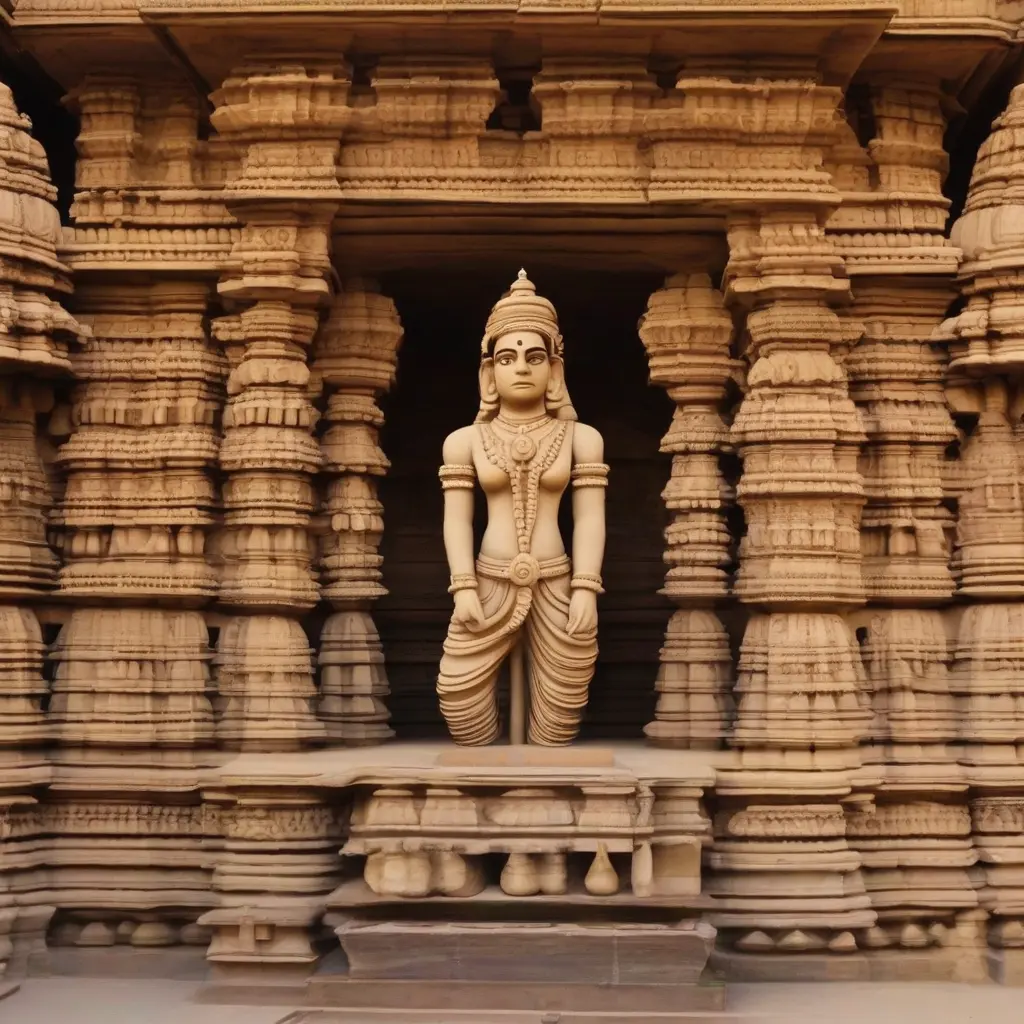
Khajuraho, a UNESCO World Heritage Site located in Madhya Pradesh, India, is renowned for its stunning temples adorned with intricate sculptures and erotic art. Built between 950 and 1050 AD during the rule of the Chandela dynasty, these temples exemplify the zenith of Indian architecture and artistry. With over 85 temples originally constructed, today around 25 remain, captivating visitors with their historical significance and unparalleled beauty. The exquisite carvings not only celebrate love and sensuality but also depict various aspects of life, spirituality, and the divine, making it a perfect destination for art lovers and history enthusiasts alike.
Historical Background of Khajuraho Temples
The Khajuraho temples reflect the political and cultural milieu of ancient India during the Chandela dynasty. Initially, there were about 85 temples, primarily built between 950 and 1050 AD, with dedicated worship sites for both Shaiva and Vaishnava sects. Over time, external influences, including invasions and changing religious ideologies, led to the gradual decline of these temples by the 12th century. Rediscovered in the 19th century, these architectural marvels sparked interest in historical preservation, leading to their recognition as a UNESCO World Heritage Site in 1986, which plays a crucial role in conserving India’s rich heritage.
Architectural Marvels of Khajuraho
Each temple in Khajuraho showcases exceptional architectural precision and artistry. Constructed in a unique Indo-Aryan style, the temples are characterized by intricate stone carvings depicting deities, celestial beings, and various aspects of life. The use of sandstone allowed for finely detailed sculptures that adorn both the exterior and interior walls of these temples. Noteworthy temples like the Kandariya Mahadeva, dedicated to Lord Shiva, boast a towering shikhara (spire) symbolizing the mythical Mount Meru. Additionally, the artistic details invite visitors to appreciate the harmonious blend of spirituality and sexuality, a reflection of the era’s societal values.
Significance of Erotic Sculptures
The erotic sculptures found across the Khajuraho temples often elicit curiosity, showcasing themes of love, desire, and sensuality. Contrary to common perceptions, these carvings reflect the celebration of life’s pleasures and the ethos of ancient Indian society, where sexuality was integrated into spiritual practices. The most famous examples are on the temples such as the Kandariya Mahadeva and the Lakshmana Temple, which feature detailed depictions of couples in various intimate poses. These representations serve as a reminder of the importance of love and relationships in Indian culture and the artistic freedom during the time of their creation.
The Main Temples to Visit
Visiting Khajuraho means exploring a variety of temples, each with unique features. The Kandariya Mahadeva Temple is the largest and most ornate, renowned for its detailed sculptures. The Lakshmana Temple stands out for its elegant architecture and beautiful carvings, while the Vishvanatha Temple, dedicated to Lord Shiva, features an impressive shikhara. The Jain temples, including the Adinath Temple, showcase exquisite craftsmanship and provide insight into Jain traditions. Each temple offers visitors an opportunity to immerse themselves in the artistry and spirituality that define Khajuraho.
Cultural Festivals and Events
Khajuraho hosts a variety of cultural festivals that celebrate the rich heritage and artistic legacy of the region. The Khajuraho Dance Festival, held annually in February, features classical dance performances against the backdrop of these ancient temples, highlighting Indian classical dance forms such as Bharatanatyam, Kathak, and Odissi. Additionally, the festival attracts dance enthusiasts and tourists, promoting the preservation of traditional art forms. Other events, including music festivals, create an engaging cultural experience for visitors, providing insight into the region’s vibrant traditions and contemporary interpretations of art.
How to Reach Khajuraho
Reaching Khajuraho is convenient, with various transportation options available. The nearest airport is Khajuraho Airport, offering domestic flights from major cities like Delhi and Varanasi. Additionally, Khajuraho is well-connected by rail, with the Khajuraho Railway Station serving trains from several key locations. For those traveling by road, bus services operate from nearby cities like Jhansi and Satna. Once in Khajuraho, local transportation options such as auto-rickshaws, taxis, and bicycles make it easy to navigate the area and explore the temples at your own pace.
Best Time to Visit Khajuraho
The ideal time to visit Khajuraho is from October to March when the weather is pleasant and conducive for exploration. During this period, temperatures range from 10°C to 25°C, allowing visitors to comfortably stroll through the temples without being hindered by the heat. Moreover, cultural festivals occurring during these months enhance the travel experience, offering opportunities to witness performances amid the historical backdrop. Planning your visit around this timeframe will provide a more enjoyable experience while appreciating the art and architectural grandeur that Khajuraho has to offer.
Nearby Attractions to Explore
While the temples of Khajuraho are the main attraction, there are several nearby sites worth exploring. The Panna National Park, known for its rich biodiversity, is a short drive away and offers opportunities for wildlife enthusiasts to see tigers and various other species in their natural habitat. Additionally, the Raneh Falls, with its picturesque landscape and charming waterfalls, provides a striking contrast to the ancient temples. The nearby town of Chattarpur also holds historical significance and features additional temples and monuments that reflect the region’s architectural heritage.
Conclusion
Khajuraho serves not only as a testament to India’s rich architectural and cultural heritage but also as a celebration of love, art, and spirituality. The intricate details and historic significance of the temples captivate visitors, making it a must-visit destination for those interested in history and art. Whether you’re exploring the erotic sculptures or attending cultural festivals, Khajuraho offers an immersive experience that highlights the complexities and beauty of ancient Indian civilization.